 Футбол
  Бокс
Бокс  Наш телеграм






“Sometimes you can have the feeling that we are bringing a big upgrade but this is just a modification of some parts, nothing else.” Ferrari team principal Fred Vasseur knows the difference. Yet even these modest tweaks have become a luxury the grid’s struggling teams simply cannot afford.
The 2026 regulations reset everything. McLaren’s dominance ended, and Mercedes took their place at the top. Ferrari, though, seized the moment with relentless aggression. The Scuderia won races in Spain and Great Britain in the 2026 season with Lewis Hamilton and Charles Leclerc, backed by a steady stream of component revisions that keep their car evolving race-to-race.
This pace of iteration has alarmed Mercedes team principal Toto Wolff. He questioned whether Ferrari could remain under the championship’s budget cap while updating its package so frequently. The implication stings: either Ferrari has found a loophole in how upgrades are classified, or the reigning budget cap is not the constraint it was meant to be.
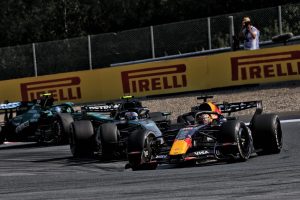
For teams at the back, the reality is far harsher. Aston Martin sits at the back of the grid after a nightmare start to the 2026 season, ahead of newcomer Cadillac by virtue of an inherited point from Monaco. The team has added minimal updates to the AMR26 since the beginning of the 2026 campaign. A wide-ranging package is expected for the Hungarian Grand Prix.
Aston Martin chief trackside officer Mike Krack laid bare the structural problem: bringing upgrades every week requires long-term planning and cannot be done reactively week-to-week. That planning demands resources—engineering talent, manufacturing capacity, supplier relationships—that struggling teams have simply not built.
Williams team principal James Vowles was blunt about the gap. Williams’ efficiency level is not at the level of established F1 teams that have worked efficiently for 10 years. Part of the problem is tangible: Williams lacks an external supply network at the right level due to insufficient funds to pay suppliers.
Mercedes built up supplier relationships over 12 years to have the best suppliers and people working on their product. That institutional advantage, accumulated across more than a decade, cannot be replicated by a team with a fraction of the budget and a fraction of the time.
The 2026 season has exposed a fundamental truth about Formula 1: the budget cap constrains spending, but it does not level the playing field. Teams with established infrastructure and supplier networks can extract more performance per pound spent. Ferrari brings a new upgrade almost every weekend. Williams and Aston Martin wait months between meaningful changes—and fall further behind.